
Back pain is widespread among professionals, students, and remote workers who sit for extended periods of time. An uncomfortable chair can put unnecessary stress on the spine, resulting in poor posture, muscle fatigue, and chronic discomfort
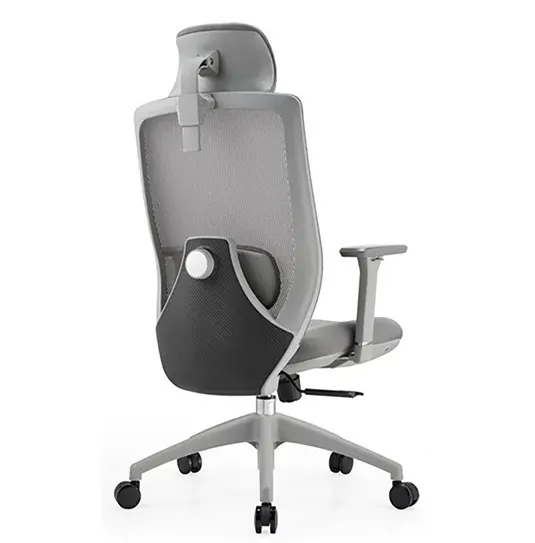
Investing in the best desk chair for back pain will greatly enhance your everyday comfort and help you maintain appropriate spinal alignment throughout the day.
A well-designed chair accommodates the body's natural curves, relieving pressure on the lower back and supporting proper posture. This not only alleviates discomfort, but also improves productivity and attention.
When choosing a chair for long-term usage, look for ergonomic features that give proper support. Some key features include:
Lumbar support maintains the natural curve of the lower spine and prevents slouching. Extended sitting sessions can be made more comfortable with proper lower back support.
With a height-adjustable chair, users may keep their feet flat on the floor while preserving good knee and hip alignment.
Armrests help to relieve pressure on the shoulders and neck by supporting the arms when typing or working at a desk.
A reclining mechanism allows users to shift positions during the day, relieving pressure on the spine and encouraging mobility.
Mesh backs and breathable textiles increase ventilation and keep users comfortable during lengthy work days.
Choosing the best ergonomic office chair can significantly improve working comfort and well-being. These chairs are intended to promote good posture, alleviate muscular fatigue, and offer customizable modifications to fit various body types and work conditions.
Ergonomic sitting helps to appropriately distribute body weight, eliminating pressure points and stress on the spine. As a result, users may operate more efficiently and with less physical discomfort throughout the day.
An ergonomic chair for back pain is designed to provide focused support to the lower back, shoulders, and neck. Lumbar support, adjustable recline, and optimum seat depth all contribute to good spinal alignment and the prevention of posture problems.
Using an ergonomic chair can lower the likelihood of chronic back problems and enhance long-term physical health for people who spend extended periods of time at a desk. It also promotes good sitting habits, which lead to increased comfort and productivity.
A supporting chair works best when combined with an ergonomic workstation design. Place your monitor at eye level, keep your keyboard within easy reach, and take occasional breaks to stretch and move about. These routines can help to reduce strain and increase overall comfort.
Choosing the proper desk chair is a key step toward excellent posture and less back pain. By emphasizing flexibility, lumbar support, and overall ergonomics, you can create a healthier and more productive workplace. A decent ergonomic chair is an investment that will help your physical health and daily performance for many years.