
Furniture in today's rapidly changing world is about intelligence, adaptability, and sustainability rather than just comfort or beauty. Smart furniture's innovative blend of sustainability, technology, and design is transforming our way of life and work. The furniture of the future is interactive, responsive, and environmentally conscious, from height-adjustable smart desks that boost productivity to AI-powered couches that enhance posture.
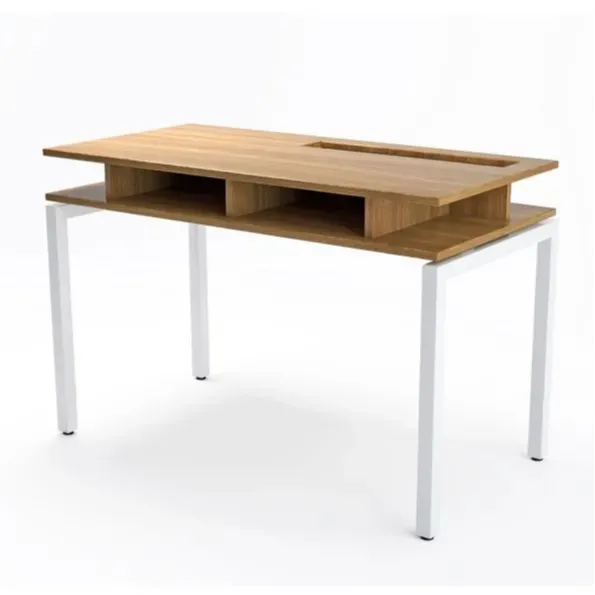
1. AI-Powered, Intelligent, and Adaptive Furniture
The way people interact with their surroundings is changing as a result of the introduction of AI-powered furniture. In order to improve comfort and functionality, smart furniture can now learn from user behaviour and preferences.
For instance, a smart desk with AI and sensors can automatically change its height according to your posture throughout the day, improving ergonomics and lessening the strain that comes with extended workdays. Similar to how smart chairs and sofas can identify users' sitting habits and remind them to adjust their posture, smart beds can monitor temperature, firmness, and sleep patterns to provide individualised comfort.
The goal of this new generation of AI-enabled furniture is to enhance productivity, general wellbeing, and health in addition to convenience. Smart desks and adaptive furniture are rapidly becoming necessary tools for modern lifestyles, whether in home offices, corporate settings, or wellness-focused interiors.
2.Multipurpose and Space-Saving Designs
The need for multipurpose and space-saving furniture is increasing as cities get denser and living areas get smaller. Consumers of today demand that every piece of furniture have several uses without sacrificing comfort or style.
Presenting the smart desk, a shining example of how to maximise available space. Users can effortlessly switch between work and leisure thanks to the foldable, height-adjustable, and modular features of today's smart desks. Some even have touch controls for temperature and lighting control, integrated storage, and wireless charging pads.
In addition to the smart desk, other innovations that are revolutionising compact living include beds with integrated charging stations, transformable tables, and modular sofas. This multifunctionality adds elegance and efficiency to cramped spaces for digital nomads and remote workers.
Smart furniture is not only useful but also fashionable thanks to the combination of functionality and style, which complements modern interior design trends that emphasise flexibility, minimalism, and tech integration.
3. Sustainable Materials and Eco-Friendly Methods
One of the most important considerations in furniture design nowadays is sustainability. In order to produce eco-friendly smart furniture that promotes a greener planet, manufacturers are reevaluating materials, production procedures, and product life cycles.
These days, recyclable materials, energy-efficient parts, and modular designs that enable simple upgrades or repairs rather than replacements are used to create modern smart desks and AI-powered furniture. This strategy is entirely in line with the circular economy's tenets since it not only decreases waste but also prolongs the life of products.
Additionally, some progressive companies have begun incorporating solar technology into outdoor furniture, enabling consumers to charge their gadgets using sustainable energy sources. Picture your laptop being powered by a solar-powered smart desk on your patio while you work remotely!
These developments show how consumers are becoming more aware of the need for sustainable living options without sacrificing style or technology. People embrace responsible consumption and help create a cleaner environment by selecting eco-friendly smart furniture.
4. Immersion Shopping: AR and VR in Retail Furniture
Additionally, technology is changing the way that people purchase furniture. A new degree of personalisation and interaction in the purchasing process has been brought about by the use of augmented reality (AR) and virtual reality (VR).
Before making a purchase, customers can use augmented reality (AR)-enabled apps to see how a smart desk, sofa, or dining table will fit into their home and appear. This lowers return rates, boosts satisfaction, and gets rid of guesswork.
In order to allow customers to view 3D models, change colours or configurations, and even see how furniture matches their current décor, furniture retailers are investing in virtual showrooms. The gap between in-store assurance and digital convenience is filled by this immersive experience.
Users can virtually test features like height adjustment, lighting control, and integrated charging for smart furniture in particular thanks to AR and VR tools, which makes online shopping entertaining and educational.
5. Market expansion and consumer adoption
Urbanisation, the rise of remote work, and the growing popularity of connected living spaces are driving the rapid growth of the global smart furniture market.
Market projections indicate that the smart furniture market will expand at a compound annual growth rate (CAGR) of 11.45%, from an estimated USD 5.08 billion in 2025 to USD 8.74 billion by 2030.
The following factors are driving this growth:
the need for IoT-enabled gadgets and smart home solutions.
raising consumer knowledge of wellness and ergonomics.
developments in automation, artificial intelligence, and material design.
The smart desk is gaining the most traction of any product, particularly among remote workers and hybrid workplaces. The smart desk is the ideal fusion of technology, design, and functionality thanks to features like integrated power management, automatic height control, and health-tracking sensors.
Connected furniture will be essential to designing smart, comfortable, and effective spaces as more homes and workplaces adopt smart ecosystems.
6. Future Prospects for Intelligent Furniture
The future of smart furniture appears to be very bright. Furniture will continue to develop beyond static designs into interactive, learning systems that blend in perfectly with our everyday lives thanks to developments in artificial intelligence, the Internet of Things (IoT), and sustainable engineering.
In the workplace, smart desks will not only adjust to individual users but also connect to smart office networks—automatically configuring lighting, temperature, and device settings. In homes, AI-enabled beds and seating will adapt to moods, activity levels, and even biometrics.
Smart furniture will be easier to use than before thanks to the integration of wireless connectivity, gesture control, and voice assistants. This innovation, when paired with modular construction and sustainable materials, will define the next era of intelligent, connected, and conscious living.
Ingenious, flexible, and ecologically conscious designs that cater to the demands of contemporary consumers will be the hallmarks of smart furniture in the future. Technology and sustainability are now inextricably linked in furniture innovation, from eco-friendly furniture that lessens its impact on the environment to AI-powered smart desks that increase productivity.
Smart furniture will become a crucial component of homes and workplaces as cities grow and lifestyles change, revolutionising the way we work, unwind, and engage with our environment. In addition to influencing the next generation of interior design, the fusion of design, technology, and sustainability will move us closer to a more comfortable, sustainable, and effective way of life.
The smart desk represents what is possible when innovation and intention collide, where comfort and intelligence coexist, and where design and the future meet in this fascinating evolution.